


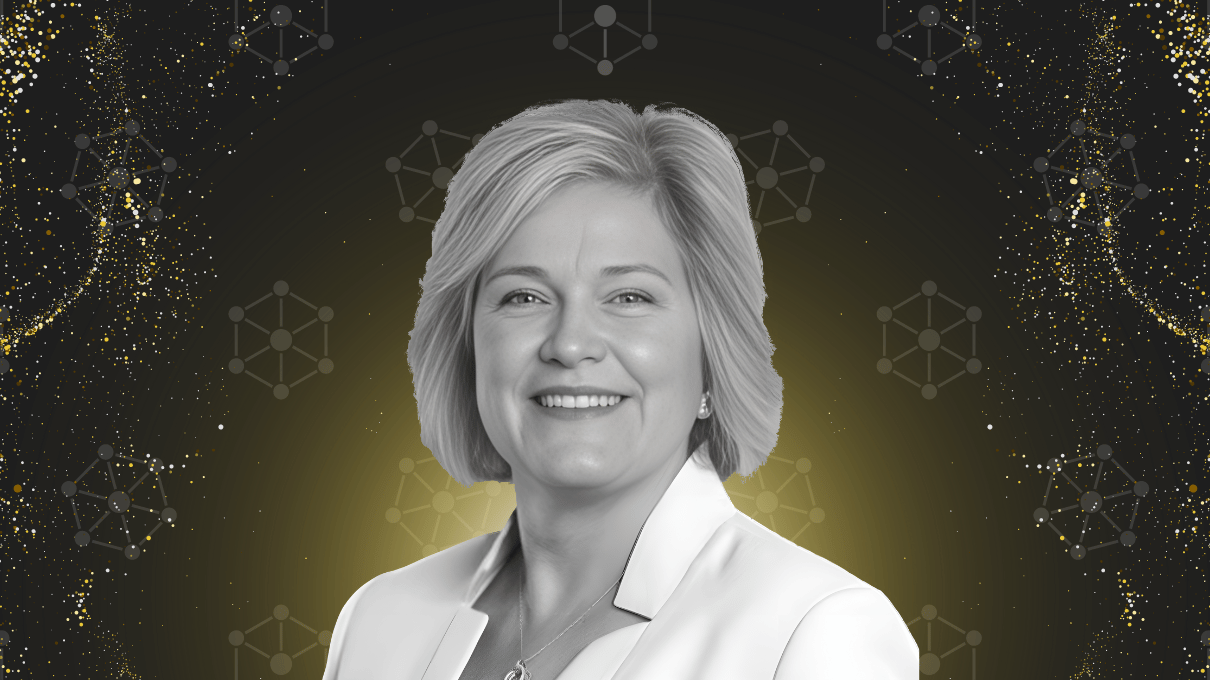


In a recent development that has garnered considerable attention within the financial sector, Franklin Templeton CEO has highlighted the significant cost savings that blockchain technology could bring to the realm of asset tokenization. This innovative approach not only promises to reshape investment landscapes but also provides a more efficient, secure method for managing and transferring assets.
Blockchain Identified as Key to Cost Savings in Tokenization, Says Franklin Templeton CEO
Understanding Blockchain and Tokenization
Blockchain technology, a decentralized digital ledger, has gained fame primarily through cryptocurrencies like Bitcoin and Ethereum. However, its application extends far beyond just digital currencies. One of its most transformative uses is in the tokenization of assets—converting rights to an asset into a digital token on a blockchain. This process can encompass a variety of assets, from real estate and fine art to shares in company stocks and even precious metals.
The Potential of Blockchain in Financial Services
The CEO of Franklin Templeton discussed how blockchain technology could revolutionize financial services by providing a transparent, immutable, and efficient system. Tokenization on blockchain not only makes transactions quicker and more secure but also significantly reduces the costs associated with asset transfers and management. By eliminating intermediaries typically involved in these processes, companies can enjoy reduced fees and quicker transaction times.
Cost Savings Breakdown
The integration of blockchain into asset management primarily cuts costs in three areas:
- Transaction Costs: Blockchain automates and streamlines transactions, cutting down on the need for manual processing and reducing the fees paid to intermediaries.
- Record Keeping: Blockchain’s ability to maintain up-to-date, tamper-proof records reduces the need for back-office reconciliation, which is often costly and time-consuming.
- Compliance and Security: Enhanced security protocols inherent in blockchain technology diminish the risks of fraud, lowering insurance and compliance costs.
Current Implementations and Future Projections by Franklin
Franklin Templeton is already experimenting with blockchain technology. They have launched a blockchain-powered fund that enables investors to buy shares directly via blockchain, showcasing the practical benefits of this technology in live operational conditions. According to the CEO, this is just the beginning, as the potential for blockchain to drive cost efficiencies in financial markets is immense.
Industry-Wide Adoption and Challenges
While the promise of blockchain is compelling, its adoption across the financial industry faces several challenges:
- Regulatory Uncertainty: Regulators are still catching up with the technology, and clear guidelines are necessary to foster wider adoption.
- Technology Integration: Integrating blockchain with existing financial systems poses technical challenges and requires substantial initial investment.
- Market Readiness: For widespread adoption, all market participants need to be ready and willing to make the transition to a new way of asset management and trading.
Franklin Templeton’s Strategic Move
By advocating for blockchain in financial services, Franklin Templeton positions itself as a forward-thinking leader, ready to capitalize on the next wave of technological advancements in finance. Their commitment to exploring and implementing blockchain solutions reflects a strategic move to stay ahead in a rapidly evolving market.
The endorsement of blockchain technology by Franklin Templeton’s CEO as a cost-saving mechanism in the tokenization of assets marks a significant step forward for the finance industry. As organizations like Franklin Templeton lead the charge, the future of financial services looks set to be revolutionized, offering more secure, transparent, and cost-effective solutions that could redefine how assets are managed and traded worldwide. This move not only underscores the practical benefits of blockchain but also positions Franklin Templeton at the forefront of technological adoption in asset management.

I am Toby Rothschild, Co-Founder of Spearmint and author at Coinography, and a strategist focused on advancing Web3 innovation, digital ecosystems, and the future of decentralized technology. I combine product thinking, creative leadership, and deep interest in emerging trends to help shape how individuals and organizations interact with the next generation of digital systems.
My work centers on understanding how blockchain, AI, and digital identity are reshaping global industries. At Spearmint, I help lead the direction of initiatives that bring clarity, structure, and meaningful user experiences to complex technological environments. I focus on bridging vision with execution, ensuring that innovation remains practical, scalable, and aligned with long-term growth.
As an author at Coinography, I create insights that translate fast-moving Web3 developments into clear, useful narratives. I explore topics such as decentralized governance, digital identity, creator economies, token models, protocol design, and the shifting cultural patterns around emerging technology. My aim is to make digital transformation more understandable and approachable for a wider audience.
I believe that Web3 is not only a technological shift but a cultural and creative one. Strong ideas, thoughtful communication, and human-centered design will shape which technologies thrive and how communities evolve around them. My writing and research reflect this belief, focusing on clarity, relevance, and long-term perspective.
Professional Links Website: https://coinography.com LinkedIn: https://www.linkedin.com/in/tobyrothschild/























