Table of contents
Entering the cryptocurrency market can be a complex and intimidating endeavor. While you may have heard of Bitcoin, there are thousands of other cryptocurrencies and blockchain projects out there, each with its unique features and purposes. In this article, we’ll explore the world of cryptocurrencies, including coins and tokens, their functions, and how they differ.
Cryptocurrencies: Coins and Tokens
Cryptocurrencies, whether coins or tokens, are digital assets primarily designed for transferring value or serving as a store of value. While they share the common trait of utilizing blockchain technology, their underlying technologies and purposes can vary significantly.
What Are Crypto Coins?
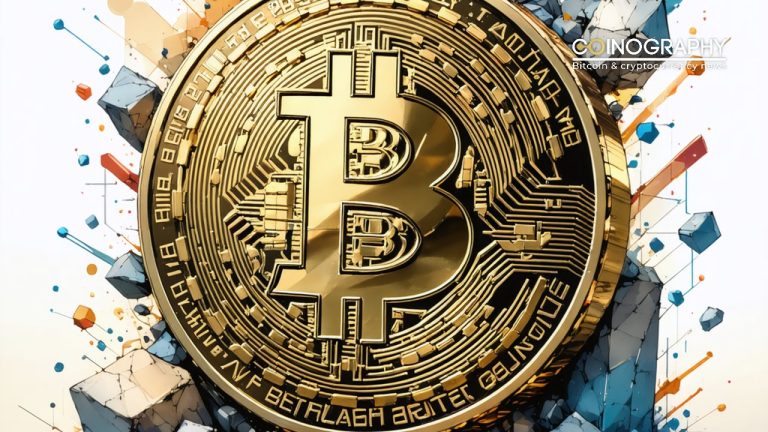
Cryptocurrency coins are those that operate on their independent and standalone blockchains. For example, Bitcoin (BTC) serves as the primary currency for the Bitcoin network. Coins play a vital role in securing their respective blockchain networks by providing incentives to miners or validators who maintain the network’s integrity.
What Are Crypto Coins For?
The purposes of crypto coins can vary widely. Bitcoin, for instance, serves as a secure, decentralized store of value and medium of exchange, often referred to as “digital gold.” Other coins, like Ripple (XRP), may have more centralized models and are designed to facilitate traditional banking systems. Additionally, stablecoins like USDT aim to provide the stability of fiat currencies while benefiting from the security of blockchain technology.
What Are Crypto Tokens?
Crypto tokens, on the other hand, are digital assets supported by specific blockchains but are not the native coin of those networks. Ethereum is a prominent example of a blockchain that supports various tokens through standards like ERC-20, ERC-721, and ERC-1155. These tokens enable the creation of diverse digital assets and applications on the Ethereum network.
What Are Crypto Tokens For?
Tokens have a wide range of use cases. They enable blockchain applications to accept payments for specific services or fees. Moreover, they can be customized with smart contracts to incorporate conditions related to their distribution, transfer, or interactions with other tokens or protocols. Tokens have played a crucial role in the development of decentralized finance (DeFi), decentralized exchanges, and various other blockchain-based platforms.
Understanding Coins vs. Tokens
Coins are essential for securing blockchain networks and incentivizing network participants, while tokens provide utility and purpose within their ecosystems. Coins tend to be less volatile and are primarily associated with security, whereas tokens are more versatile and serve various functions, from payments to governance.
Frequently Asked Questions (FAQs)
Q1. How can I differentiate between a cryptocurrency coin and a token?
A1. Cryptocurrency coins operate on their own blockchains, while tokens are supported by existing blockchains but are not the native coin of those networks.
Q2. What are some examples of cryptocurrency coins and their purposes?
A2. Bitcoin (BTC) is a widely recognized coin known for its role as a decentralized store of value. Ripple (XRP) was created to support the traditional banking system, and stablecoins like USDT aim to represent fiat currency on the blockchain.
Q3. How do tokens enable decentralized finance (DeFi)?
A3. Tokens play a pivotal role in DeFi by allowing for the creation of decentralized exchanges, lending platforms, and other financial applications that rely on smart contracts for automation and security.
Q4. Can tokens on different blockchains interact with each other?
A4. Interoperability solutions are being developed to facilitate token interactions across different blockchains, but it’s still an evolving area in the cryptocurrency space.
Q5. Are cryptocurrencies safe to use, and how can I secure my assets?
A5. Cryptocurrencies can be secure if you follow best practices for wallet security. Consider using a reputable hardware wallet like Ledger to store and manage your assets securely.
You Might Also Like This
- Read Also: Best Web3 Coins To Invest In
- Read Also: Best Low Cap Crypto To Buy Now
- Read Also: Best Crypto Utility Tokens
- Read Also: Best Crypto To Buy Right Now Reddit
- Read Also: Best Crypto Under $1
- Read Also: Best Penny Crypto Coins To Invest In
- Read Also: Best Shitcoins To Buy Right Now
- Read Also: Best Crypto Presale To Buy Now
- Read Also: Best Low Supply Cryptocurrency
- Read Also: Best DeFi Coins To Buy Now
- Read Also: Best Altcoins To Invest In Right Now
- Read Also: Best Crypto ICO To Invest In
- Read Also: Next Crypto To Explode In 2023
- Read Also: Best Cryptocurrency Coins To Buy
- Read Also: New Cryptocurrencies To Invest In

Hi, I’m Ahmed Falah. I work at the intersection of technology, finance, and human well-being, exploring how emerging digital systems can create sustainable and impactful growth across businesses and society.
As a senior author at Coinography, I write deeply researched content on blockchain ecosystems, tokenomics, decentralized finance, on-chain analysis, and the societal implications of Web3. My approach blends technical clarity with purpose-driven thinking, helping readers understand complex crypto concepts in a meaningful and accessible way.
Vision & Focus
Throughout my career, I have worked closely with hedge funds, enterprises, and high-net-worth investors, helping them navigate digital transformation and develop strategies rooted in data, transparency, and sustainable growth. I see technology not merely as a financial tool but as a foundation for creating healthier, more resilient organizations.
My writing focuses on a wide range of themes, including blockchain and decentralized financial models, token utility and ecosystem design, AI and blockchain convergence, the evolution of digital market infrastructure, purpose-driven and wellness-aligned leadership, and the future of work, finance, and organizational well-being.
I am deeply committed to building systems that empower individuals and support ethical innovation. My goal is to connect technology with human values and contribute to a future where digital ecosystems uplift people, communities, and businesses in meaningful and sustainable ways.
Professional Links
Website: https://coinography.com LinkedIn: https://ae.linkedin.com/in/ahmedfalah
Let’s Connect
If you’re interested in the future of blockchain, digital transformation, decentralized systems, or well-being-focused leadership, feel free to connect with me.