


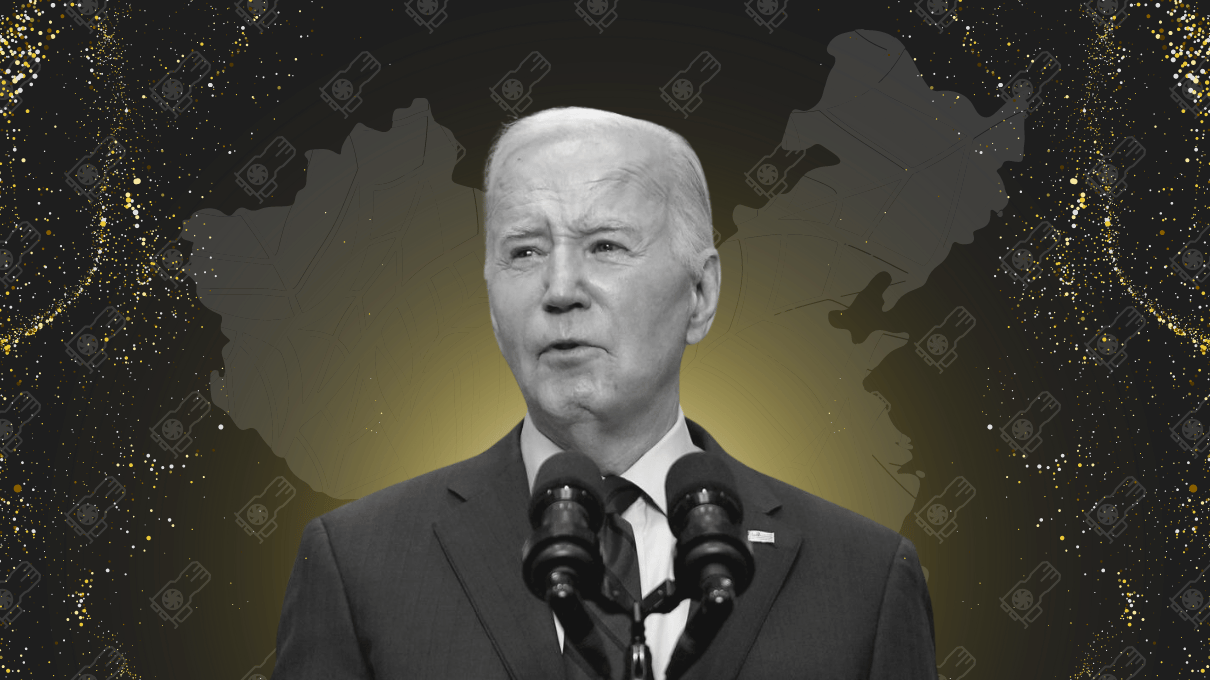


In a significant move reflecting escalating tensions between the U.S. and China over cybersecurity and technology, President Joe Biden has officially blocked a major Chinese cryptocurrency mining firm from operating in the United States. Citing national security risks, this action marks a critical step in the Biden administration’s ongoing strategy to safeguard U.S. digital infrastructure from foreign threats.
Chinese Crypto Mining Firm Blocked by President Biden Due to National Security Concerns
The Decision and Its Implications
President Biden’s executive order, effective immediately, prohibits the unnamed Chinese firm from both establishing new operations in the U.S. and continuing any existing activities. The decision stems from concerns raised by the National Security Agency (NSA) and the Department of Homeland Security (DHS), which suggest that allowing the firm to operate could pose significant risks to the integrity of U.S. digital assets and critical infrastructure.
The move has wider implications for the global cryptocurrency market. The U.S. is a major player in the digital currency sphere, and this prohibition could alter the dynamics of crypto mining, potentially affecting global hash rates and the distribution of mining power. This is particularly significant given the substantial energy consumption associated with mining activities and the ongoing debates surrounding the environmental impact of cryptocurrencies.
Industry Reactions
Responses from the cryptocurrency industry have been mixed. Some U.S.-based crypto enterprises see this as a positive step toward eliminating unfair competition, as Chinese firms have been accused of benefiting from low-cost energy and lenient regulations. Others view it as a protectionist move that might stifle innovation and discourage international investments in the U.S. crypto sector.
Cryptocurrency experts also express concerns about the broader impact on international relations and trade, particularly in technology exchanges and cooperation in the digital economy. The decision may lead to retaliatory measures from China, which has been known to respond in kind to U.S. restrictions on its companies.
Potential Impact on Investors
For investors, the immediate effect of the ban might be negligible, but the long-term consequences could be profound. The restriction on a major player in the crypto mining industry could lead to increased opportunities for U.S. and other Western firms, potentially stabilizing the market and promoting more sustainable mining practices. However, investors should be cautious of the potential volatility in crypto prices due to these geopolitical tensions.
Regulatory Perspectives
This decision underscores the Biden administration’s cautious stance on digital currencies and its commitment to national security. The administration has been vocal about the need for stringent regulatory measures to manage the risks associated with digital currencies, including their use in money laundering and other illegal activities.
Regulatory bodies may use this decision as a precedent for future actions against foreign technology firms, signaling a more aggressive approach to protecting U.S. interests in the rapidly evolving digital landscape.
President Biden’s decision to block a Chinese crypto mining firm from operating in the U.S. is a clear indication of the administration’s priority to national security over economic interests in the realm of digital currencies. While the move is likely to stir significant debate and international reaction, it aligns with broader U.S. strategies aimed at securing its digital infrastructure. As the situation unfolds, stakeholders in the cryptocurrency and tech industries will need to navigate the changing regulatory environment with careful consideration of the global implications.

I am Toby Rothschild, Co-Founder of Spearmint and author at Coinography, and a strategist focused on advancing Web3 innovation, digital ecosystems, and the future of decentralized technology. I combine product thinking, creative leadership, and deep interest in emerging trends to help shape how individuals and organizations interact with the next generation of digital systems.
My work centers on understanding how blockchain, AI, and digital identity are reshaping global industries. At Spearmint, I help lead the direction of initiatives that bring clarity, structure, and meaningful user experiences to complex technological environments. I focus on bridging vision with execution, ensuring that innovation remains practical, scalable, and aligned with long-term growth.
As an author at Coinography, I create insights that translate fast-moving Web3 developments into clear, useful narratives. I explore topics such as decentralized governance, digital identity, creator economies, token models, protocol design, and the shifting cultural patterns around emerging technology. My aim is to make digital transformation more understandable and approachable for a wider audience.
I believe that Web3 is not only a technological shift but a cultural and creative one. Strong ideas, thoughtful communication, and human-centered design will shape which technologies thrive and how communities evolve around them. My writing and research reflect this belief, focusing on clarity, relevance, and long-term perspective.
Professional Links Website: https://coinography.com LinkedIn: https://www.linkedin.com/in/tobyrothschild/























