




Brent crude prices were headed for a 12% weekly decline on Friday, even as tanker attacks in the Gulf and Strait of Hormuz supported a rebound, Investify reported. US benchmark West Texas Intermediate was on course to fall 12.1%, according to the outlet.
The losses come as threats to shipping have renewed concern about oil supply through the Strait of Hormuz, according to Investify. The outlet reported that flows through the route were below 60% of capacity, even as the attacks helped support a recovery in prices.
Brent crude prices and the weekly decline
On Friday, January Brent crude prices rose $1.57, or 1.6%, to $99.86 a barrel, while WTI advanced $1.10, or 1.22%, to $91.62. It was the second consecutive session of gains for oil futures, but the increases left both benchmarks on course for weekly losses, Investify reported.
UA also put Brent's expected weekly decline at 12% despite the two-day advance. The outlet noted that the December Brent contract expired on October 30, before the figures for the January contract reported on Friday.
In a separate price snapshot, Yahoo Finance reported Brent at $99.42 a barrel and WTI at $91.242, with both above Thursday's close. The outlet connected those gains to reports of fresh tanker attacks in the Strait of Hormuz, while also reporting that both benchmarks had fallen 12% since Monday.
Crypto Briefing likewise reported that Brent crude prices and WTI were likely to fall around 12% for the week despite the tanker incidents. UA said the attacks had supported oil quotations even as prices headed for a weekly decline of about that size.
Tanker attacks and transit
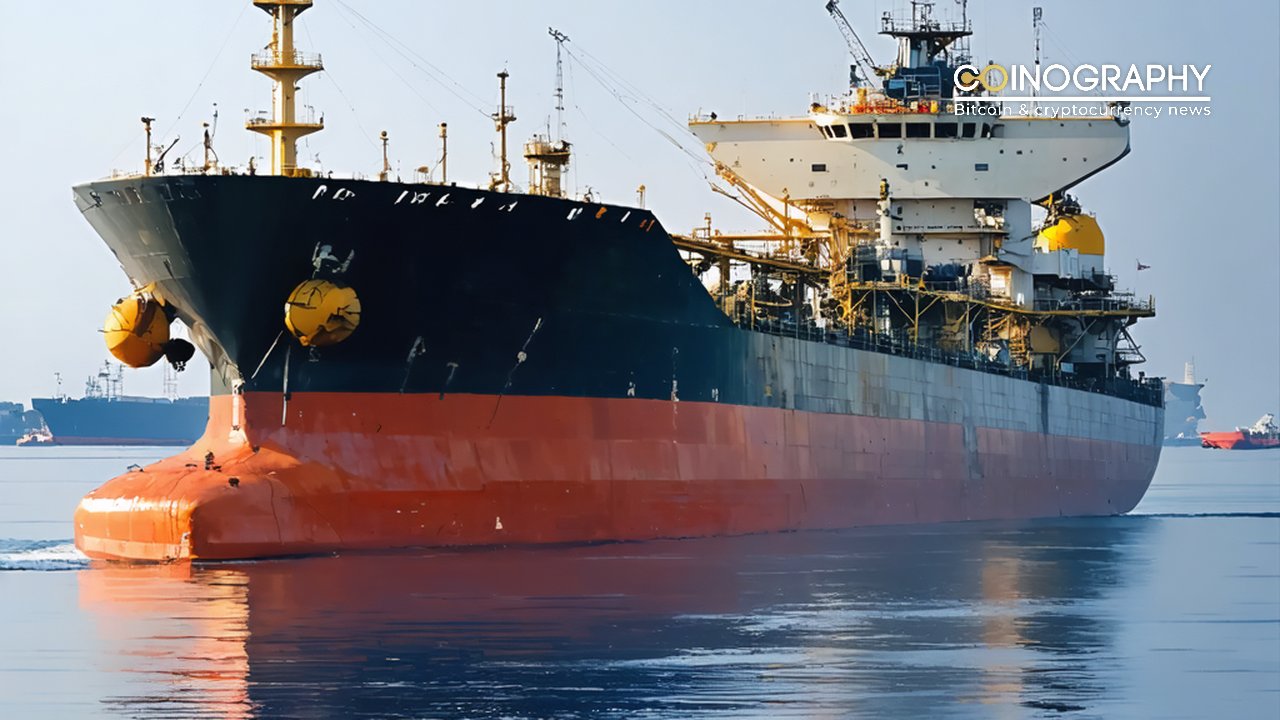
Attacks on tankers in the Gulf and the Strait of Hormuz became more frequent on Wednesday and Thursday, UA reported. The outlet described the strait as a key sea route for most oil supplies from the Middle East.
Iran said three more tankers were attacked on Thursday, Investify reported. The outlet also said data from the British maritime security agency UKMTO indicated that attacks on tankers remained near a record pace.
Yahoo Finance, citing Reuters, said at least five incidents involving vessels had occurred in the Persian Gulf since Sunday. Reuters also reported that threats to commercial traffic persisted despite a recovery in crude shipments through the Strait of Hormuz, according to Yahoo Finance.
ANZ senior commodities strategist Daniel Hynes said Iran retained control over the strait and that total transit was below 60% of its capacity, according to UA. His assessment came alongside the outlet's account of more frequent tanker attacks on the route.
Election results and oil markets
UA reported that the Republican Party's defeat in US congressional elections had prompted expectations that the US and Israeli war against Iran might ease. Yahoo Finance linked the weekly oil decline to hopes after the midterm results that the Middle East war could be brought to a swift end.
Oil prices fell 8% on Wednesday and reached a two-month low after the Democrats won the midterm elections, UA reported, citing Channel NewsAsia. ANZ's Hynes said traders considered that day's sell-off excessive, according to UA.
Crypto Briefing said the direction of Brent crude prices suggested that markets were weighing the possibility of de-escalation more heavily than the immediate supply concerns raised by tanker attacks. Its assessment contrasted the prospect of an easing in Middle East conflicts with the near-term shipping incidents.
Yahoo Finance also said doubts that the United States and Iran could reach peace had helped put a floor under oil prices, alongside the attacks. The outlet reported that those doubts persisted despite the Democrats' midterm victory.
Analysts assess supply risks
ING commodity analysts said the oil market would likely slowly give back the risk premium accumulated in recent months if there were no escalation, according to a Thursday note described by Yahoo Finance. Their forecast also cited oil flows from the Persian Gulf holding up well.
KCM Trade chief analyst Tim Waterer said oil would likely remain supported on dips until there was a credible route to safer and cheaper Gulf transit, according to Yahoo Finance, which cited Reuters. Waterer also said escalation headlines could prompt sharp price moves.
FXPro senior market analyst Alex Kuptsikevich cautioned against assuming the election result would prevent escalation. As quoted by Yahoo Finance, Kuptsikevich said, "The Republicans' defeat in the elections does not mean that the conflict in the Middle East will not escalate".
For Brent crude prices and the broader oil market, Crypto Briefing said geopolitical developments in the Middle East would remain a focus, particularly any moves toward de-escalation. The outlet said observers would monitor statements from OPEC's Mohammad Sanusi Barkindo and Saudi Energy Minister Abdulaziz bin Salman Al Saud.
Conclusion
Investify reported that Brent and WTI were still headed for weekly losses of 12% and 12.1%, respectively, despite a rebound supported by tanker attacks. Its account also put flows through the Strait of Hormuz below 60% of capacity. Crypto Briefing said markets appeared to be weighing the possibility of de-escalation against immediate supply concerns. For the next indications on the market, the outlet said observers would monitor Middle East developments and statements from OPEC's Mohammad Sanusi Barkindo and Saudi Energy Minister Abdulaziz bin Salman Al Saud.
Frequently Asked Questions
How much were Brent and WTI expected to fall this week?
Investify reported that Brent was on course for a 12% weekly decline and WTI for a 12.1% loss. The expected declines remained in place despite a rebound in oil futures. On Friday, January Brent rose to $99.86 a barrel and WTI reached $91.62.
How have tanker attacks affected oil prices in the Strait of Hormuz?
Investify reported that tanker attacks renewed concern about regional supply and helped support a recovery in oil prices. Iran said three more tankers were attacked on Thursday, according to the outlet. It also reported that flows through the Strait of Hormuz were below 60% of capacity.
Why did the US midterm elections affect oil prices?
According to UA, expectations of an easing in the US and Israeli war against Iran followed the Republican Party's congressional election defeat. Yahoo Finance said the results had raised hopes for a swift end to the Middle East war. UA, citing Channel NewsAsia, reported that oil fell 8% on Wednesday after the Democrats' victory.
What did ING and Tim Waterer say about oil prices?
ING commodity analysts said oil would likely slowly give back its accumulated risk premium if there were no escalation, according to a note described by Yahoo Finance. KCM Trade chief analyst Tim Waterer told Reuters, according to Yahoo Finance, that oil would likely remain supported on dips until there was a credible path to safer, cheaper Gulf transit.
Sources
Read Also
























