


The CLARITY Act crypto debate is moving fast now. Lawmakers are close to a deal, and the market is starting to react. Bitcoin has been holding steady around the $70K–$75K range, even as regulatory headlines pick up again.
That kind of price behavior stands out. When news risk rises but price holds, it usually means stronger hands are staying in.
CLARITY Act Crypto: What the Latest Update Means
The CLARITY Act crypto proposal aims to finally define who regulates what in the U.S. market. Right now, the SEC and CFTC still overlap, and that confusion slows institutional participation.
JPMorgan now signals that a deal could come soon. That shifts this from a long-term discussion into an immediate catalyst.
The sticking point remains stablecoins. That’s where negotiations tighten.
Stablecoin Regulation Takes Center Stage
Stablecoin regulation has become the core issue. Lawmakers are debating oversight, reserve rules, and how these assets should operate inside the financial system.
And this isn’t a small segment. Stablecoins drive a large share of daily trading volume. Pull that thread, and the whole market feels it.
Why This Matters for Market Structure
Clear rules could unlock capital that has been waiting on the sidelines. Institutions don’t like uncertainty. They need defined frameworks before committing size.
But there’s a trade-off. Tight restrictions could limit flexibility, especially for DeFi protocols that rely heavily on stablecoin liquidity.
Market Mechanics: How Stablecoin Regulation Impacts Crypto Flows
Stablecoin regulation directly affects how money moves through crypto. You can track it in real time if you know where to look.
Liquidity and Trading Volume
Most trading pairs run through stablecoins. When supply grows, liquidity improves. Spreads tighten. Execution becomes smoother.
When supply contracts, the opposite happens. You’ll notice thinner order books and sharper price swings.
Institutional Entry Points
Institutions use stablecoins to move capital efficiently. Faster settlement, lower friction.
If regulation builds trust, flows increase. If it creates barriers, capital slows down. It’s that simple.
Exchange and DeFi Activity
DeFi depends heavily on stablecoin pools. Lending, staking, and liquidity provisioning all rely on stable assets.
If rules restrict issuance or usage, activity could drop. If rules support growth, DeFi participation could expand quickly.
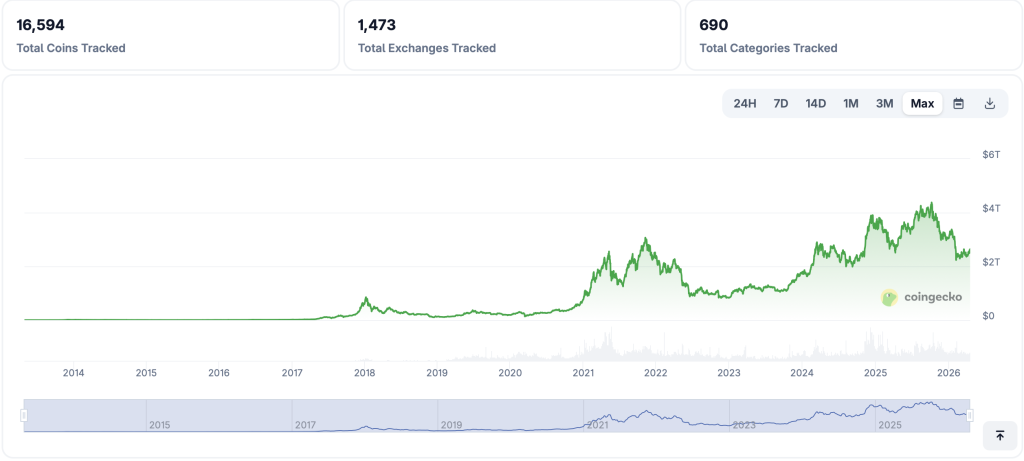
Source: coingecko
Key Data Signals Traders Should Watch
The CLARITY Act crypto development adds a new layer of signals. Ignore them, and you miss the bigger picture.
Stablecoin Market Cap Trends
Watch the total market cap of USDT, USDC, and others. If it rises, capital is entering. If it falls, liquidity is tightening.
Exchange Inflows and Outflows
Large inflows of stablecoins to exchanges often precede buying. Outflows usually signal capital moving off-platform.
Short-term moves often start here.
Bitcoin Price Reaction to Policy News
Notice how Bitcoin reacts to headlines. Recently, dips on regulatory news have been shallow. Buyers step in quickly.
That suggests confidence, at least for now.
Volatility Around Announcements
Volatility has been compressing. That doesn’t last.
When a major update drops, expect expansion. Fast moves. Both directions.
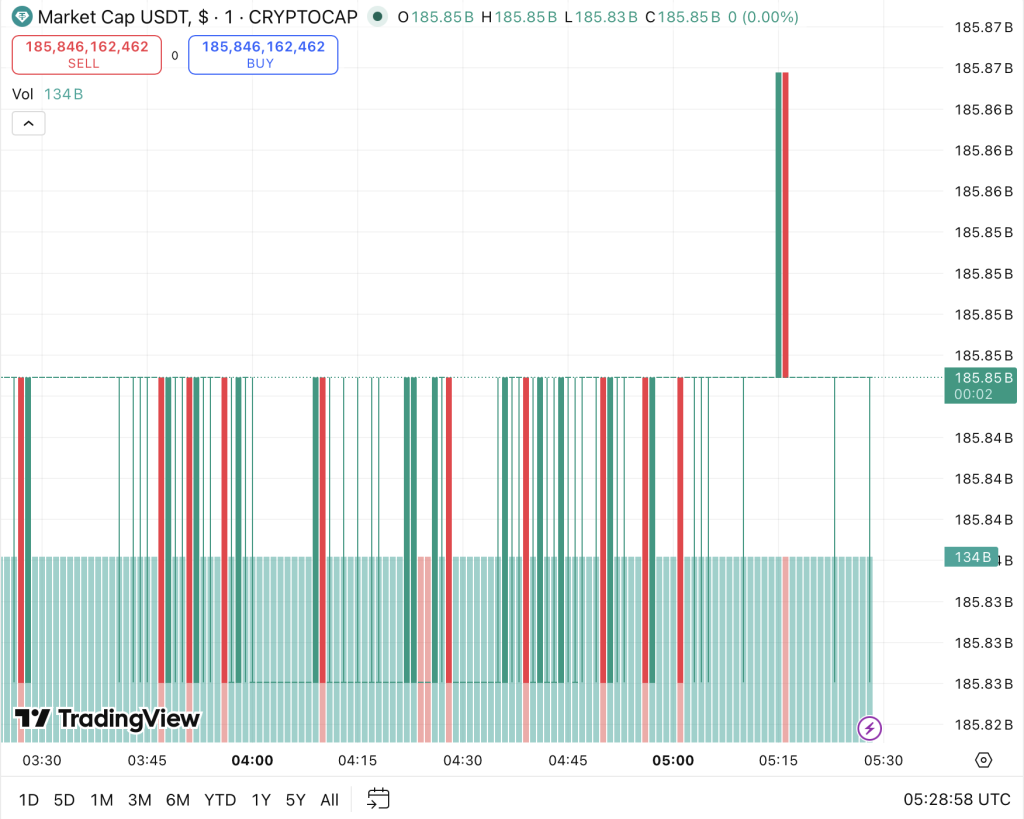
Source: TradingView
What Traders Should Watch Next
This is where things get tactical.
If lawmakers resolve the stablecoin issue cleanly, markets could push higher. Clarity attracts capital. That’s been the pattern.
If negotiations stall or rules come out stricter than expected, expect hesitation. Sideways price. Fake breakouts.
Watch timing. Policy announcements often hit during low liquidity hours, which amplifies moves.
And pay attention to reaction, not just headlines. Strong buying after negative news usually signals underlying strength.
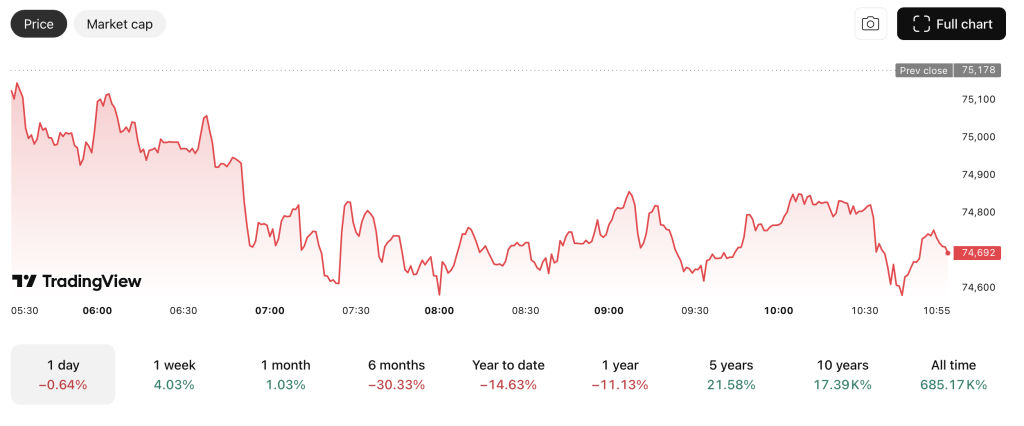
Source: TradingView
Broader Market Context: Regulation Is Becoming a Market Driver
Zoom out for a moment.
Regulation now plays a bigger role than it did in earlier cycles. Back then, hype drove most moves. Now, policy decisions move billions.
The stablecoin regulation debate shows how connected everything is. One rule can affect exchanges, DeFi, and institutional flows all at once.
This isn’t a side factor anymore. It’s part of the core market structure.
Conclusion
The CLARITY Act crypto bill is close to a decision point. Stablecoin regulation remains the final hurdle, but momentum is building.
For traders, this is a moment to stay sharp. Policy is now a catalyst, not background noise.
Track flows, watch reactions, and stay flexible. That’s how you stay ahead in this market.
FAQs
1. What is the CLARITY Act in crypto?
It’s a proposed U.S. bill that defines how digital assets are regulated between agencies like the SEC and CFTC.
2. Why is stablecoin regulation important?
Stablecoins drive liquidity across crypto markets. Changes in rules can directly impact trading volume and capital flow.
3. How could the CLARITY Act affect Bitcoin?
Clear rules could bring in institutional demand, which often supports price stability and growth.
4. What should traders watch during this development?
Focus on stablecoin supply, exchange flows, and how price reacts to regulatory updates.
5. Where can I track crypto market data?
Platforms like CoinMarketCap and CoinGecko provide real-time price, volume, and market insights.

I am Toby Rothschild, Co-Founder of Spearmint and author at Coinography, and a strategist focused on advancing Web3 innovation, digital ecosystems, and the future of decentralized technology. I combine product thinking, creative leadership, and deep interest in emerging trends to help shape how individuals and organizations interact with the next generation of digital systems.
My work centers on understanding how blockchain, AI, and digital identity are reshaping global industries. At Spearmint, I help lead the direction of initiatives that bring clarity, structure, and meaningful user experiences to complex technological environments. I focus on bridging vision with execution, ensuring that innovation remains practical, scalable, and aligned with long-term growth.
As an author at Coinography, I create insights that translate fast-moving Web3 developments into clear, useful narratives. I explore topics such as decentralized governance, digital identity, creator economies, token models, protocol design, and the shifting cultural patterns around emerging technology. My aim is to make digital transformation more understandable and approachable for a wider audience.
I believe that Web3 is not only a technological shift but a cultural and creative one. Strong ideas, thoughtful communication, and human-centered design will shape which technologies thrive and how communities evolve around them. My writing and research reflect this belief, focusing on clarity, relevance, and long-term perspective.
Professional Links Website: https://coinography.com LinkedIn: https://www.linkedin.com/in/tobyrothschild/