


The crypto market inflows just cleared a key threshold. Over $1.1 billion moved into digital assets in a short window, and the timing matters. Bitcoin held firm near recent highs while capital kept flowing in. That’s not random. It points to steady institutional crypto demand building behind the scenes.
You can feel the shift in market behavior. Dips get bought faster. Volatility compresses, then expands. That usually signals stronger hands stepping in.
Crypto Market Inflows Surge: What the Data Shows
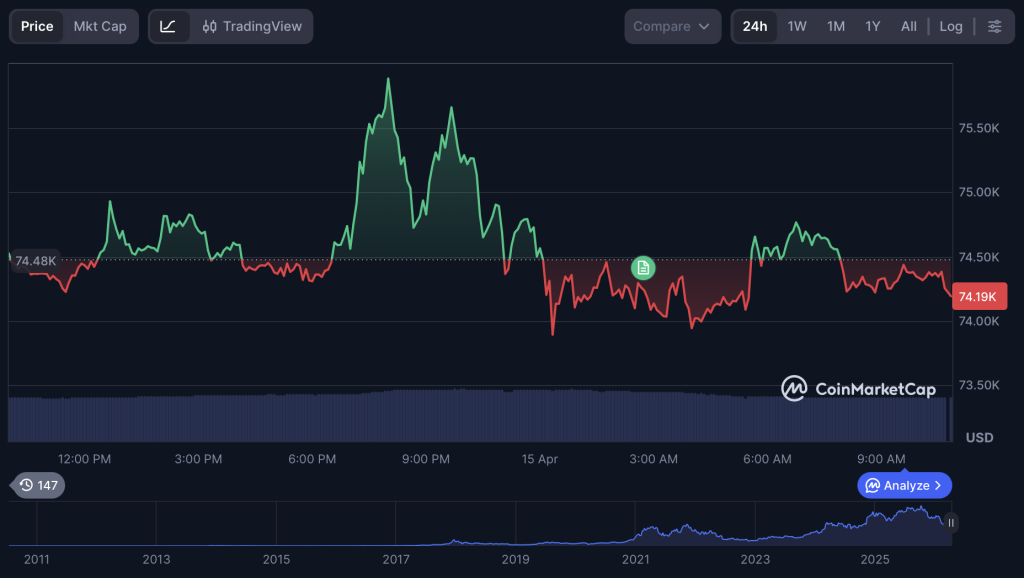
The latest numbers show a clear jump in crypto market inflows, crossing $1.1 billion after a relatively quiet stretch. This came right after Bitcoin stabilized near key psychological levels, which often act as accumulation zones.
Bitcoin took the lead again. It absorbed most of the capital, holding dominance while the price hovered in a tight range. That kind of sideways price structure with rising inflows usually hints at accumulation, not distribution.
Ethereum followed, though at a slower pace. A few large-cap altcoins saw selective interest, but the flow stayed concentrated. That tells you institutions still prefer Bitcoin as their primary exposure.
Crypto Market Inflows and Institutional Crypto Demand Drivers
The rise in crypto market inflows ties directly to growing institutional crypto demand. You can trace it back to a few clear drivers.
ETF Expansion and Accessibility
Bitcoin ETFs changed the entry game. Institutions don’t need to deal with custody risks or operational friction anymore. They can allocate capital the same way they would with equities or commodities.
That ease shows up in the data. When ETF inflows rise, spot prices tend to follow, not instantly, but consistently.
Macro Environment and Diversification
Global markets still carry uncertainty. Interest rates, inflation signals, and currency pressure push investors to diversify. Bitcoin sits in that conversation now, not outside it.
You can see it in allocation strategies. Crypto isn’t a side bet anymore; it’s becoming a hedge.
Improved Market Infrastructure
Execution quality has improved. Liquidity runs deeper across major exchanges. Slippage has dropped, even for large orders.
That matters. Institutions won’t enter markets where they can’t move size efficiently. Better infrastructure supports higher institutional crypto demand, and the current inflow data reflects that shift.
Source: CoinMarketCap
Crypto Market Inflows: Key Data Signals Traders Should Watch
The recent crypto market inflows trend offers clear signals if you know where to look.
ETF Flow Trends
Watch ETF data closely. Consistent inflows support price floors. Sharp outflows, on the other hand, often lead to quick downside moves.
Right now, flows remain stable. That’s keeping the market supported even during minor pullbacks.
Bitcoin Dominance
Bitcoin continues to absorb most of the capital. That keeps dominance elevated.
If that changes if capital rotates into altcoins, you’ll likely see a broader market rally. Until then, expect Bitcoin-led movement.
Volume and Liquidity Growth
Volume tells the real story. Price moves without volume don’t hold.
Recently, volume has started to build alongside inflows. Not explosive yet, but enough to confirm participation. That’s a healthier setup than thin rallies.
On-Chain Activity
On-chain data shows steady accumulation from larger wallets. Transfers into cold storage have ticked up.
That’s a quiet signal, but an important one. It usually means holders expect higher prices ahead.
What Traders Should Watch Next
Here’s where it gets interesting.
If crypto market inflows keep rising, Bitcoin could push into a new price discovery phase. Momentum builds when capital and sentiment align.
But if inflows slow down, the market could stall. Not crash, just pause. That often leads to choppy price action, which traders need to manage carefully.
Keep an eye on macro triggers as well. A shift in interest rate expectations or regulatory headlines can change flow direction quickly.
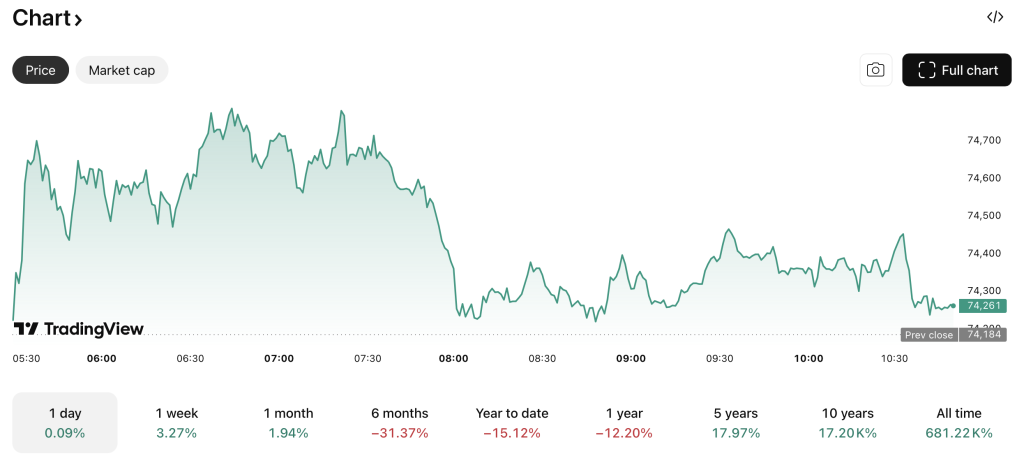
Also, watch how the price reacts at key levels. Strong reactions with volume confirm trend strength. Weak reactions suggest exhaustion.
Source: TradingView
Broader Market Context: A Maturing Crypto Ecosystem
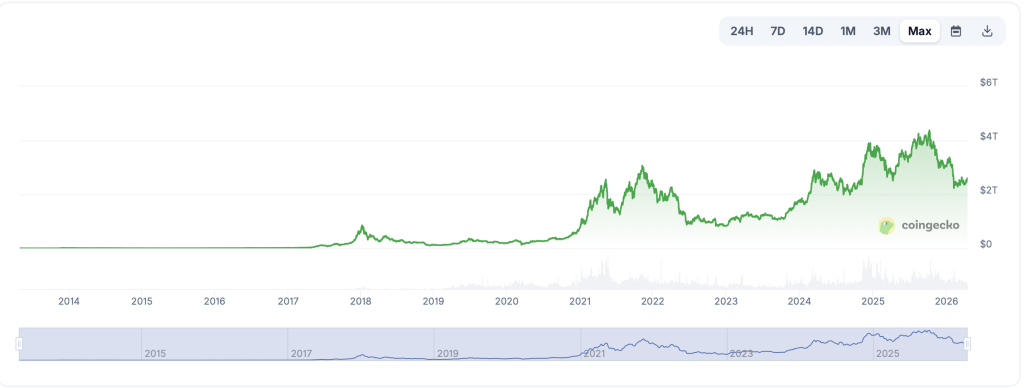
The $1.1 billion inflow tells a bigger story. The market is evolving.
Retail still plays a role, but institutions now shape direction. Their entries bring stability but also new patterns.
Markets move differently when large capital dominates. Trends last longer. Corrections become more structured.
If you trade actively, you need to adjust. Old patterns still work, but they play out differently under institutional pressure.
Source: Coingecko
Conclusion
The surge in crypto market inflows signals more than short-term momentum. It reflects sustained institutional crypto demand entering the market with intent.
For traders, this changes the playbook. You’re not just trading sentiment anymore; you’re tracking capital flows.
Follow the money, watch the data, and stay flexible. That’s where the edge is now.
FAQs
1. What caused the $1.1 billion crypto inflows?
Institutional crypto demand, ETF accessibility, and improved liquidity drove the inflows. Capital moved in as Bitcoin held key price levels.
2. Why is institutional crypto demand increasing?
Institutions now have easier access through ETFs, better infrastructure, and stronger reasons to diversify portfolios into crypto assets.
3. How do inflows impact crypto prices?
Rising crypto market inflows support price stability and upward trends. When inflows drop, price action usually turns choppy or corrective.
4. Are Bitcoin ETFs important for the market?
Yes. They simplify access and attract institutional crypto demand, which directly impacts liquidity and price direction.
5. Where can I track crypto market inflows?
You can track inflows, volume, and market trends on platforms like CoinMarketCap and CoinGecko.

Hi, I’m Ahmed Falah. I work at the intersection of technology, finance, and human well-being, exploring how emerging digital systems can create sustainable and impactful growth across businesses and society.
As a senior author at Coinography, I write deeply researched content on blockchain ecosystems, tokenomics, decentralized finance, on-chain analysis, and the societal implications of Web3. My approach blends technical clarity with purpose-driven thinking, helping readers understand complex crypto concepts in a meaningful and accessible way.
Vision & Focus
Throughout my career, I have worked closely with hedge funds, enterprises, and high-net-worth investors, helping them navigate digital transformation and develop strategies rooted in data, transparency, and sustainable growth. I see technology not merely as a financial tool but as a foundation for creating healthier, more resilient organizations.
My writing focuses on a wide range of themes, including blockchain and decentralized financial models, token utility and ecosystem design, AI and blockchain convergence, the evolution of digital market infrastructure, purpose-driven and wellness-aligned leadership, and the future of work, finance, and organizational well-being.
I am deeply committed to building systems that empower individuals and support ethical innovation. My goal is to connect technology with human values and contribute to a future where digital ecosystems uplift people, communities, and businesses in meaningful and sustainable ways.
Professional Links
Website: https://coinography.com LinkedIn: https://ae.linkedin.com/in/ahmedfalah
Let’s Connect
If you’re interested in the future of blockchain, digital transformation, decentralized systems, or well-being-focused leadership, feel free to connect with me.